
FDA and CDER: New Drug Therapy Approvals 2025
Review the FDA's 46 novel drug approvals in 2025, highlighting first-in-class medications, rare disease therapies, and advances in pharmaceutical innovation.


This month I am visiting a topic I wrote about in 2023 discussing advancements in medicine. The Center for Drug Evaluation and Research (CDER) plays an important role through its review and approval of new drug therapies. The topic for today highlights novel drug approvals that occurred during the 2025 calendar year. I chose this topic because I enjoy learning about the science behind new medication approvals across different therapeutic areas and considering their potential impact on patients. An approval can influence many healthcare environments, including community, ambulatory, inpatient, and pharmaceutical industry settings. I encourage readers to reflect on their own healthcare experiences and consider how these approvals may shape the future of medicine.
 Michael Forst, PharmD
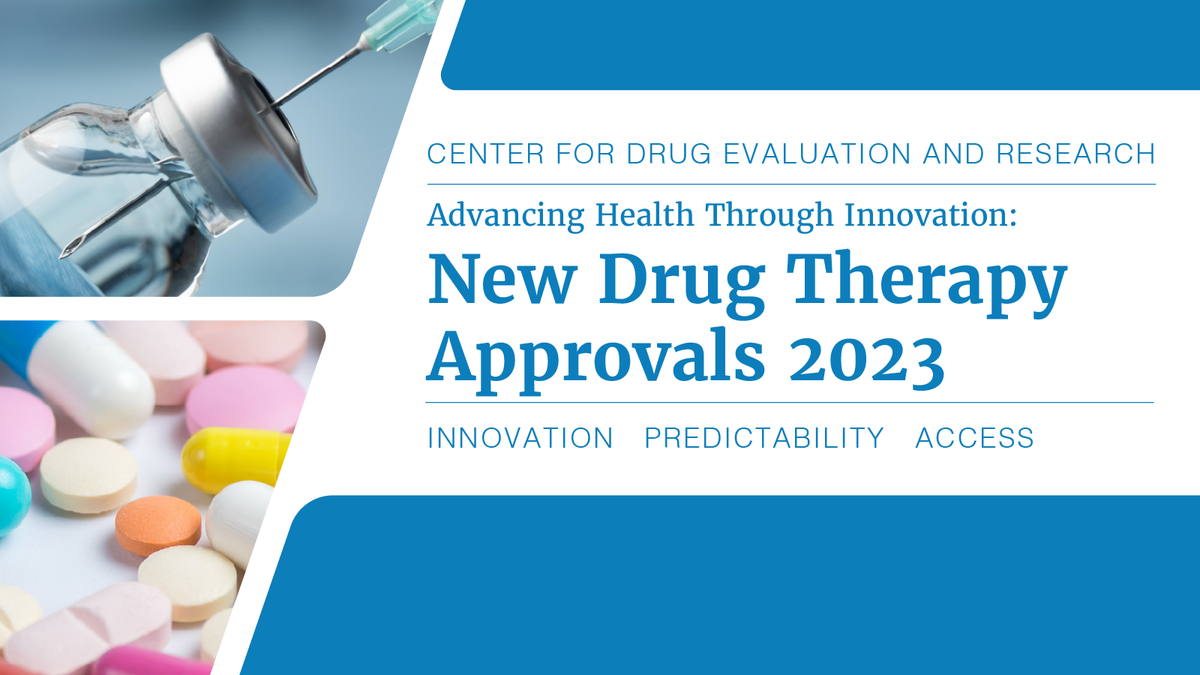
CDER regulates OTC and prescription drugs, including biological therapeutics and generic drugs, with the goal of ensuring that safe and effective medications are available to patients in the United States.1 Since 2011, CDER has released an annual report titled "Advancing Health Through Innovation: New Drug Therapy Approvals". The report provides an overview of novel drug approvals from the previous calendar year. The 2025 report, published in January 2026, represents the center's 15th annual report. Previous reports, including those dating back to 2015, can be accessed through the FDA's website. The 2025 report can be found here: Advancing Health Through Innovation: New Drug Therapy Approvals 2025.
CDER defines novel products as medications approved as new molecular entities (NMEs) under New Drug Applications (NDAs) or as new therapeutic biologics under Biologics License Applications (BLAs).2 In other words, a novel product is a therapy that has not previously been approved or marketed in the United States. An NME contains an active ingredient that has not previously been approved by the FDA, while an NDA is the application used to bring traditional small-molecule drugs to market.3 A BLA is used to bring biological products, which are generally derived from living organisms, to market. It is important to note that novel drug approvals are different from other FDA approval actions such as new indications, dosage forms, and formulations of previously approved medications.
In 2025, CDER oversaw 46 novel drug approvals, which cover various therapeutic areas and medical conditions. Of the approved 46 novel drugs, 34 (74%) are new molecular entities and 12 (26%) are biologics. The 2025 total is similar to the average of approximately 47 novel drug approvals year over year in the last decade. This represents a decrease from the 54 novel approvals in 2023 and 50 in 2024, but the 2025 approvals continue to demonstrate the pharmaceutical industry's commitment to developing innovative therapies. Of the 46 approvals, 20 (43%) were identified as first-in-class medications. In addition, 23 (50%) received Orphan Drug Designation for the treatment of rare diseases.

Collectively, these therapies demonstrate the continued development of treatment options across both common and less frequently encountered medical conditions. Highlights of the 2025 approvals are included in the following list:
• Journavx (suzetrigine): tablets indicated for the treatment of moderate-to-severe acute pain. This medication represents a first-in-class non-opioid analgesic and offers another approach to pain management without relying on traditional opioid medications.
• Blujepa (gepotidacin): tablets indicated for the treatment of uncomplicated urinary tract infections. The medication represents a new antibiotic treatment option and was subsequently approved for certain patients with uncomplicated urogenital gonorrhea.
• Brinsupri (brensocatib): tablets indicated for the treatment of non-cystic fibrosis bronchiectasis. This chronic lung condition can cause recurrent respiratory infections and damage to the airways.
• Tryptyr (acoltremon): ophthalmic solution indicated for the treatment of dry eye disease. This medication provides another option for patients experiencing this common eye condition.
• Forzinity (elamipretide): injection indicated for the treatment of Barth syndrome. This represents the first FDA-approved treatment for this serious mitochondrial disease.
• Lynkuet (elinzanetant): capsules indicated for the treatment of moderate-to-severe vasomotor symptoms associated with menopause including hot flashes.
--> Check out our July 2026 article here!
Of the 46 novel drug approvals, 20 were identified as first-in-class medications. These products are important because they introduce mechanisms of action that differ from existing therapies and may provide new approaches to treating certain diseases. Highlights of the medications that received first-in-class designation are below:
• Blujepa (gepotidacin): indicated for the treatment of uncomplicated urinary tract infections.
• Brinsupri (brensocatib): indicated for the treatment of non-cystic fibrosis bronchiectasis.
• Dawnzera (donidalorsen): indicated for the prevention of hereditary angioedema attacks.
• Emrelis (telisotuzumab): indicated for the treatment of non-squamous non-small cell lung cancer with high c-Met protein overexpression.
• Journavx (suzetrigine): indicated for the treatment of moderate-to-severe acute pain.
• Nuzolvence (zoliflodacin): indicated for the treatment of uncomplicated urogenital gonorrhea.
• Voyxact (sibeprenlimab): indicated for the treatment of IgA nephropathy.

The 2025 report also highlights advancements in the FDA's drug review and approval processes. Of the 46 novel drug approvals, 39 (85%) were approved during the first review cycle, and 32 (70%) were approved in the United States before receiving approval in other countries. There are also various programs that provide mechanisms for faster approval timelines. These programs include Orphan Drug Designation, Fast Track, Breakthrough Therapy, Priority Review, and Accelerated Approval. The designations aim to facilitate the development and review of medications for serious or life-threatening conditions, especially when existing treatment options are limited.
One important takeaway from the 2025 report is focused on rare diseases. Of the 46 novel drug approvals, 23 (50%) received Orphan Drug Designation. These approvals aim to treat patients living with rare diseases that may have limited treatment options and are within therapeutic areas that have significant unmet medical needs. Highlights of the medications that received Orphan Drug Designation are included below:
• Avmapki Fakzynja (avutometinib and defactinib): indicated for the treatment of KRAS-mutated recurrent, low-grade ovarian cancer.
• Jascayd (nerandomilast): indicated for the treatment of idiopathic pulmonary fibrosis.
• Komzifti (ziftomenib): indicated for the treatment of relapsed or refractory acute myeloid leukemia with a susceptible NPM1 mutation.
• Kygevvi (deoxecitine, doxribtimine): indicated for the treatment of thymidine kinase 2 deficiency.
• Palsonify (paltusotine): indicated for the treatment of acromegaly in patients who have had an inadequate response to surgery and/or for whom surgery is not an option.
• Sephience (sepiapterin): indicated for the treatment of a subtype of phenylketonuria.
• Yartemlea (narsoplimab): indicated for the treatment of hematopoietic stem cell transplant-related thrombotic microangiopathy.
Further insights from all of the above programs can be found in the 2025 report. Overall, the 2025 approvals provide potential treatment options for patients with common diseases, rare conditions, and significant unmet medical needs. From first-in-class medications to new treatments, the 2025 report demonstrates that medicine continues to evolve through scientific research and pharmaceutical innovation. My hope is that readers take the opportunity to explore these approvals, learn about the conditions they address, and consider how these medications may influence patient care moving forward. Staying informed about new drug approvals allows the medical field to have more meaningful conversations with patients, colleagues, and other healthcare stakeholders. I look forward to following the continued development of these therapies and reviewing future editions of the FDA's Advancing Health Through Innovation: New Drug Therapy Approvals reports.
From your friends at RxTeach, we wish you and yours a very Happy Thanksgiving!
From your friends at RxTeach, we wish you and yours a very Happy Thanksgiving!

References:
- Center for Drug Evaluation and Research. Frequently Asked Questions about CDER. 2026.
- Center for Drug Evaluation and Research. Novel Drug Approvals at FDA. 2026.
- Center for Drug Evaluation and Research. Manual of Policies and Procedures. 2026.
*Information presented on RxTeach does not represent the opinion of any specific company, organization, or team other than the authors themselves. No patient-provider relationship is created.