
GI Malignancies: Pancreatic Cancer
Despite representing only a small percentage of all cancers, it is a leading cause of cancer-related mortality due to its aggressive biology, delayed diagnosis, and resistance to many traditional therapeutic approaches.


Introduction
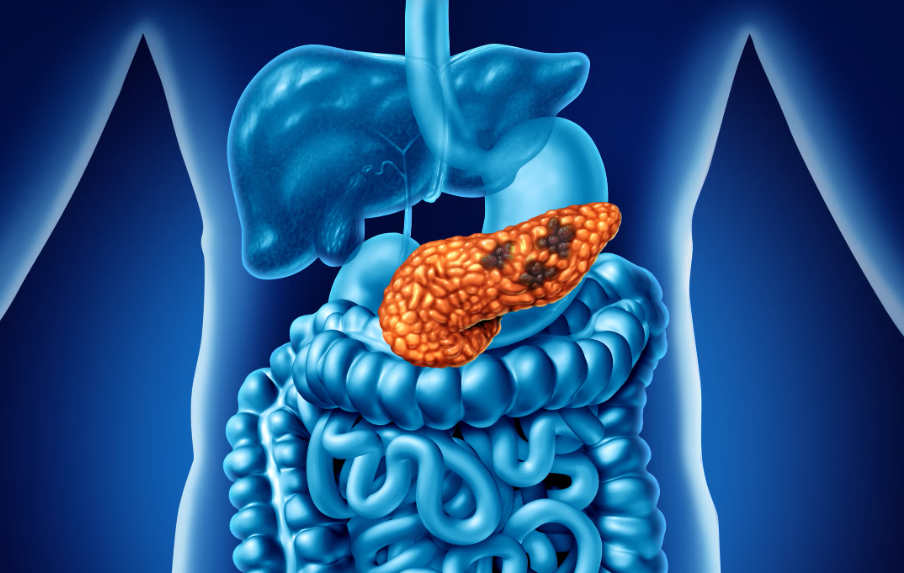
Pancreatic cancer remains one of the most aggressive and difficult-to-treat malignancies. Despite representing only a small percentage of all cancers, it is a leading cause of cancer-related mortality due to its aggressive biology, delayed diagnosis, and resistance to many traditional therapeutic approaches. Recent advances in molecular testing, targeted therapies, and supportive care have improved outcomes for select patients, but significant unmet medical needs remain.
Epidemiology
Pancreatic cancer is among the deadliest cancer types, with a five-year overall survival rate that remains substantially lower than many other solid tumors.
Key epidemiologic considerations include:
- Median age at diagnosis is approximately 70 years
- Slightly more common in males
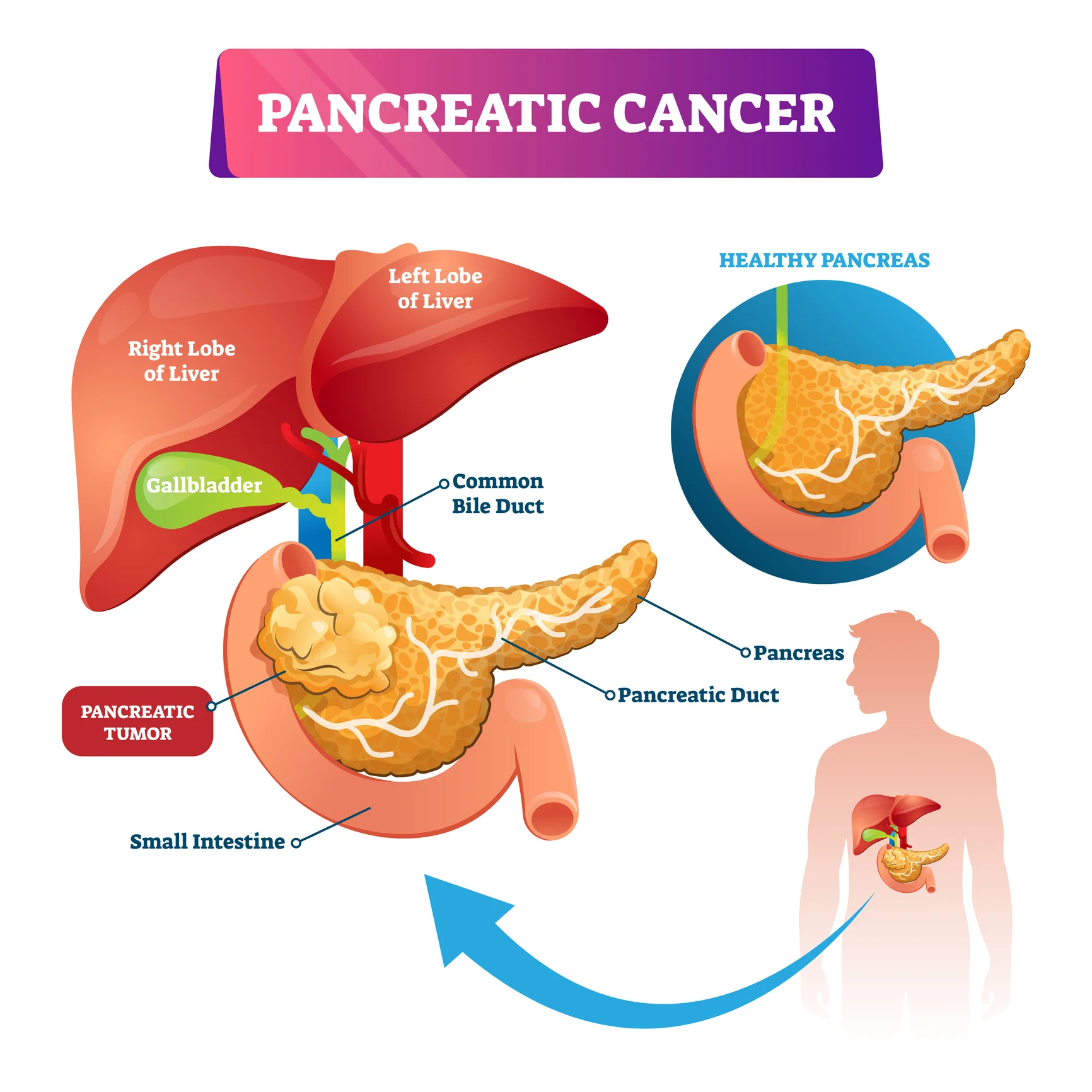
- Majority of cases are pancreatic ductal adenocarcinoma (PDAC)
- Most patients present with locally advanced or metastatic disease
- Pancreatic cancer is projected to become one of the leading causes of cancer-related death in the United States
~90% to 95% of pancreatic malignancies are classified as pancreatic ductal adenocarcinoma.
Risk Factors
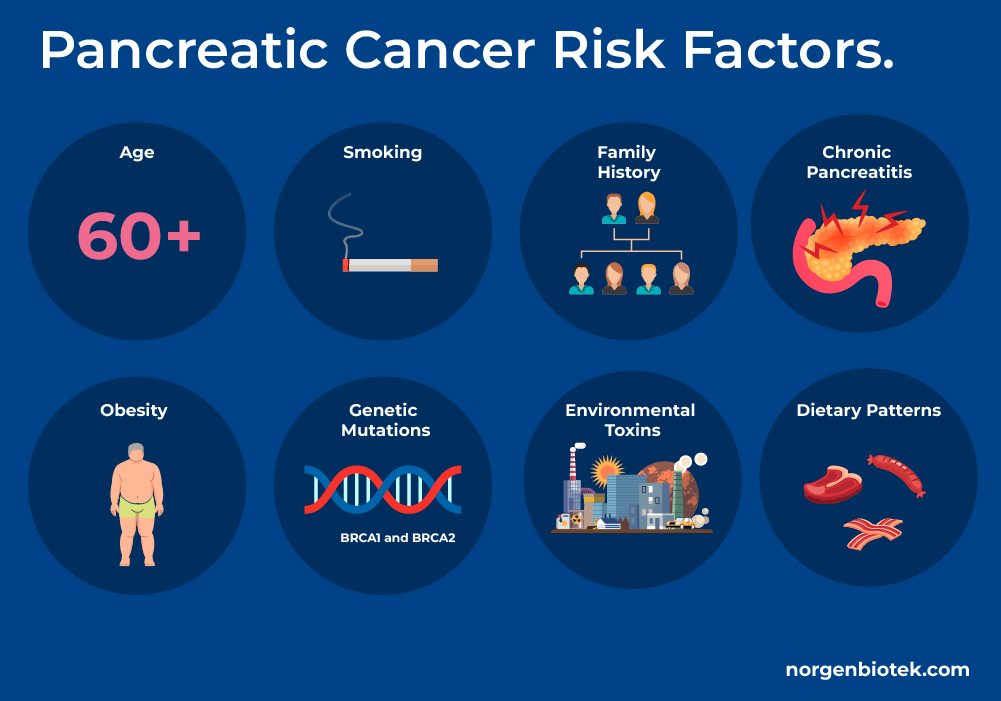
Numerous genetic, environmental, and lifestyle factors contribute to pancreatic cancer development.
Modifiable Risk Factors
- Cigarette smoking
- Obesity
- Chronic pancreatitis
- Type 2 diabetes mellitus
- Excess alcohol consumption
Non-Modifiable Risk Factors
- Increasing age
- Family history
- Male sex
- Certain hereditary syndromes
Examples of inherited genetic abnormalities include:
- Hereditary breast and ovarian cancer syndrome
- Ataxia telangiectasia
- Lynch syndrome-associated genes
- STK11 mutations (Peutz-Jeghers syndrome)
Understanding hereditary predispositions has become increasingly important because some mutations may guide targeted treatment decisions.
Pathophysiology
Pancreatic ductal adenocarcinoma develops through accumulation of genetic alterations that transform normal pancreatic cells into malignant cells.
Common molecular abnormalities include:
| Mutation | Approximate Frequency |
|---|---|
| KRAS | >90% |
| TP53 | 50-75% |
| CDKN2A | 40-60% |
| SMAD4 | 30-50% |
KRAS mutations are considered the primary oncogenic driver in most pancreatic tumors.
The pancreatic tumor microenvironment also plays a critical role in disease progression. Dense fibrotic stroma and immunosuppressive signaling mechanisms limit drug penetration and reduce immune-mediated antitumor activity.
Clinical Presentation
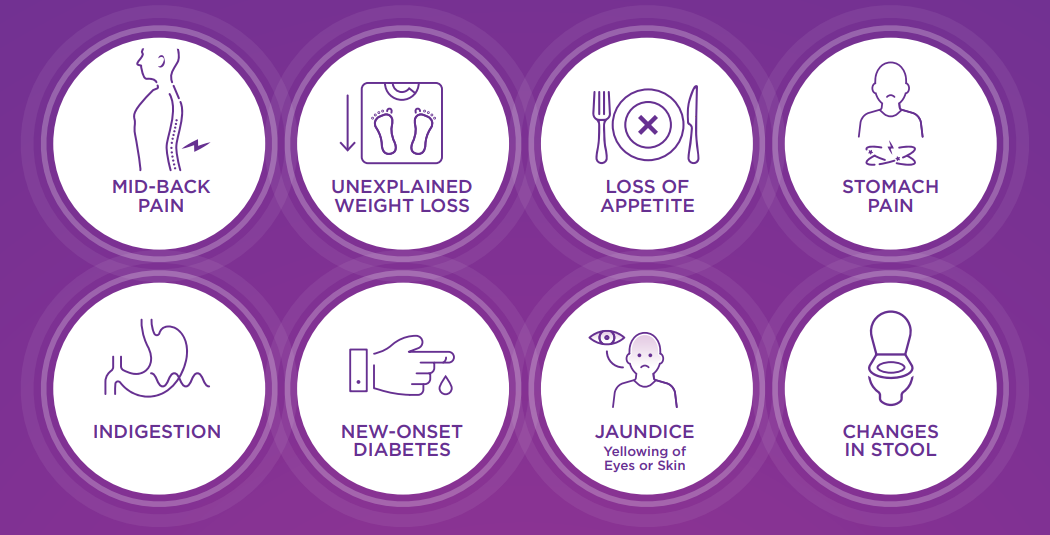
Symptoms are often nonspecific, which contributes to delayed diagnosis. Early-stage disease may not have noticeable signs/symptoms, while symptomatic disease is often advanced or spreading.
Common presenting symptoms include:
- Abdominal pain
- Back pain
- Unintentional weight loss
- Fatigue
- Nausea
- Loss of appetite
Patients with tumors located in the pancreatic head may develop:
- Painless jaundice
- Dark urine
- Light-colored stools
- Pruritus
Advanced disease may present with:
- Liver metastases
- Ascites
- Venous thromboembolism
- Cachexia
Diagnosis
The diagnostic workup typically involves imaging, pathology confirmation, and molecular testing.
Imaging
Common imaging modalities include:
- Contrast-enhanced CT scan
- MRI
- ERCP
Tissue diagnosis is often obtained through a core biopsy if possible. This can be performed via fine needle aspiration, endoscopy, or surgery.
Biomarkers
CA 19-9 remains the most commonly utilized serum biomarker and is elevated in ~80% of patients.
Potential clinical uses include:
- Prognostic assessment
- Monitoring treatment response
- Detecting recurrence
However, CA 19-9 should not be used as a standalone diagnostic tool. It has low sensitivity and specificity in early-stage patients, limiting its utility for early detection.
LFTs are also considered commonly in patients with jaundice.
Emerging approaches include cell-free DNA (cfDNA), circulating-tumor cells, exosomes, antibodies, and metabolites.
Routine screening for pancreatic cancer is not recommended, as it has not yet been shown to lower mortality risk.
Staging
Pancreatic cancer is generally classified into four treatment categories:
1) Resectable Disease: Tumors amenable to surgical removal without major vascular involvement.
2) Borderline Resectable Disease: Limited vascular involvement that may still permit surgery after neoadjuvant therapy.
3) Locally Advanced Disease: Unresectable but non-metastatic disease.
4) Metastatic Disease: Cancer spread beyond the pancreas to distant organs such as the liver, lungs, or peritoneum.
Accurate staging is critical because treatment strategies differ significantly between stages.
Current Treatment Landscape
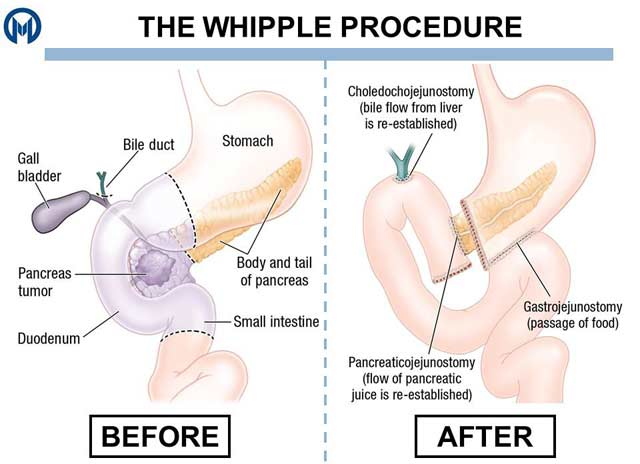
1) Surgical Resection: Surgery offers the only potentially curative option.
- Common surgical procedures include:
- Whipple procedure (pancreaticoduodenectomy)
- Distal pancreatectomy
- Total pancreatectomy
- Only a minority of patients present with resectable disease at diagnosis.
2) Systemic Therapy: For eligible patients with advanced disease, combination chemotherapy remains standard of care.
- FOLFIRINOX: 5-Fluorouracil, Leucovorin, Irinotecan, Oxaliplatin
- Advantages:
- Improved survival outcomes
- Appropriate for fit patients
- Challenges:
- Significant toxicity burden
- Advantages:
- Gemcitabine + Nab-Paclitaxel
- Advantages:
- Widely utilized first-line regimen
- Alternative for patients unable to tolerate FOLFIRINOX
- Challenges:
- Myelosuppression
- Peripheral neuropathy
- Advantages:
- Daraxonrasib (RASONQUE): FDA approved 8/26/26
- Received a standing ovation at the ASCO 2026 annual meeting for achieving a median overall survival of 13.2 months for patients taking daraxonrasib compared to 6.7 months for those on standard chemotherapy
- Objective response rate: 31.6 months vs 11.2 months
- Inhibitor of the RAS GTPase family, indicated for the treatment of adult patients with metastatic pancreatic adenocarcinoma who have received at least one prior systemic therapy or who are not candidates for multiagent systemic therapy
- Advantages: Increased overall survival (gold standard), oral administration
- Challenges: Severe skin rash and stomatitis are common adverse events
- Received a standing ovation at the ASCO 2026 annual meeting for achieving a median overall survival of 13.2 months for patients taking daraxonrasib compared to 6.7 months for those on standard chemotherapy
3) Targeted Therapies: Although only a minority of patients harbor actionable alterations, molecular profiling is increasingly important.
- Comprehensive genomic testing is increasingly recommended to identify treatment opportunities.
Emerging Therapies
Ongoing research continues to focus on overcoming the unique challenges of pancreatic cancer. Areas of active investigation include:
1) KRAS Inhibitors: Novel agents targeting KRAS mutations may significantly alter future treatment paradigms.
2) Antibody-Drug Conjugates (ADCs): ADCs seek to improve delivery of cytotoxic agents directly to tumor cells.
3) Immunotherapy Combinations: Researchers continue exploring strategies to overcome the immunosuppressive pancreatic tumor microenvironment.
Pharmacist Considerations
Pharmacists play an important role throughout the continuum of pancreatic cancer care. Key responsibilities include:
- Chemotherapy regimen management
- Toxicity monitoring
- Antiemetic optimization
- Growth factor support
- Drug interaction assessment
- Patient education
- Adherence support
- Coordination of supportive care resources
Pharmacists can also assist with interpretation of molecular testing results and identification of targeted treatment opportunities.
Key Takeaways
- Pancreatic ductal adenocarcinoma accounts for approximately 90-95% of pancreatic cancer cases.
- Most patients present with advanced disease, contributing to poor outcomes.
- Surgical resection remains the only potentially curative treatment option.
- FOLFIRINOX and gemcitabine/nab-paclitaxel remain key systemic therapy regimens.
- Comprehensive molecular profiling is increasingly important.
- Emerging strategies include KRAS inhibitors, ADCs, and immunotherapy combinations.
- Pharmacists play a critical role in treatment optimization, toxicity management, and patient education.
*Information presented on RxTeach does not represent the opinion of any specific company, organization, or team other than the authors themselves. No patient-provider relationship is created.