
The Science of Friendship
What you might not know is that having meaningful friendships may also make you live longer. Despite this, many people find it difficult to spend time with friends given life's many priorities.

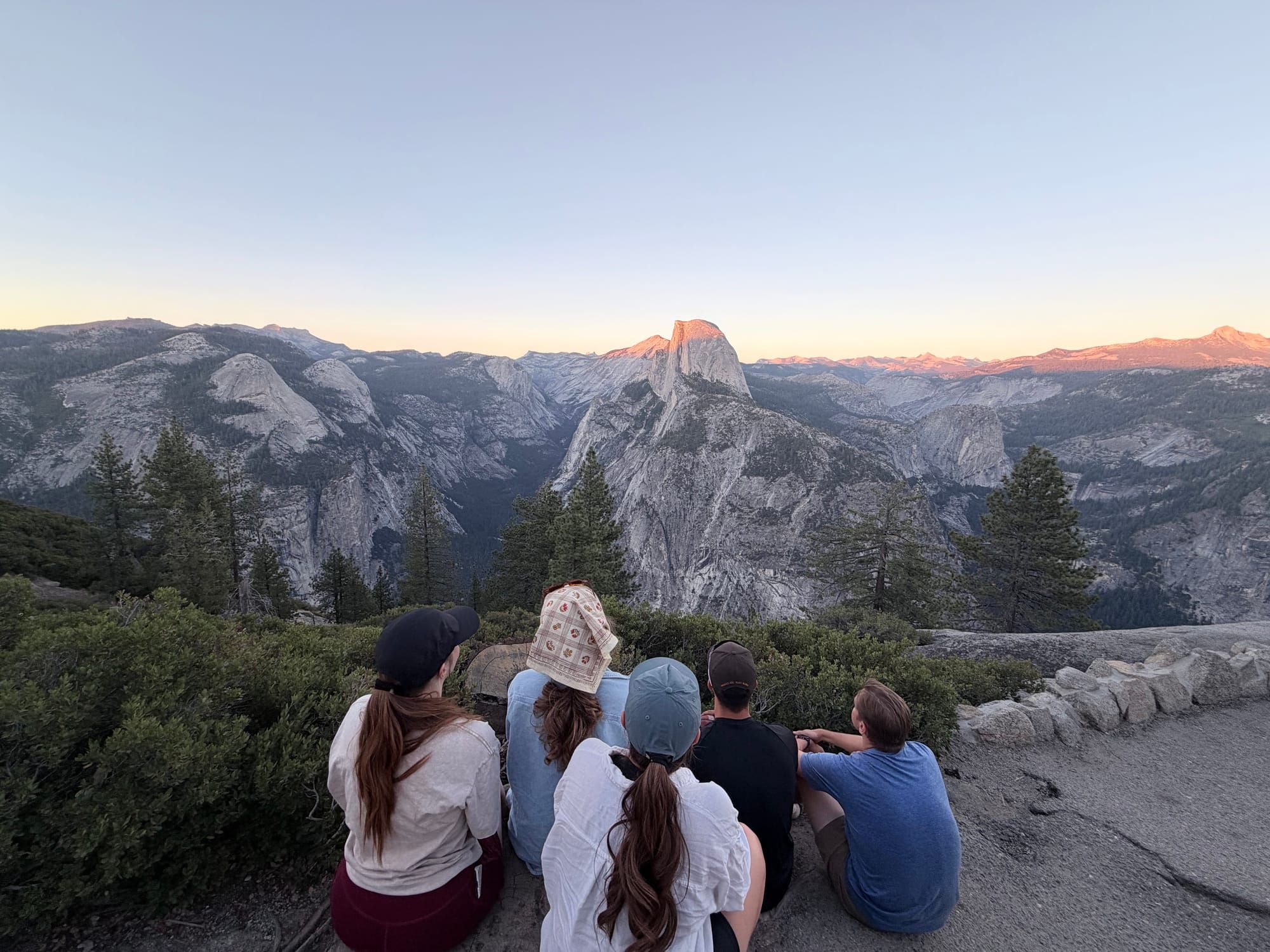
This week's article finds your inbox roughly 8 hours late, but for good reason. I spent the last week in Yosemite National Park with a group of my 6 closest friends. We gathered together for an incredible wedding ceremony on a pebbled beach surrounded by towering slabs of multicolored granite. Like the columns of timeless stone surrounding us, our friends vowed to love each other forever. I could not only hear, but genuinely feel the truth, power, and love in their voices.
Love comes in many forms. Sometimes love is romantic. Sometimes it is brotherly. The way a mother loves her daughter cannot really be compared to the love between brothers or fiancées. Some forms of love are incredibly rare, and I think my friends are exceptionally lucky to have found their stabilizing forces in this life. They will act as each other's confidants, always there to witness each other's lives. Their love brought their best friends thousands of miles across the country to a place as old as time and created memories that none of us will ever forget.
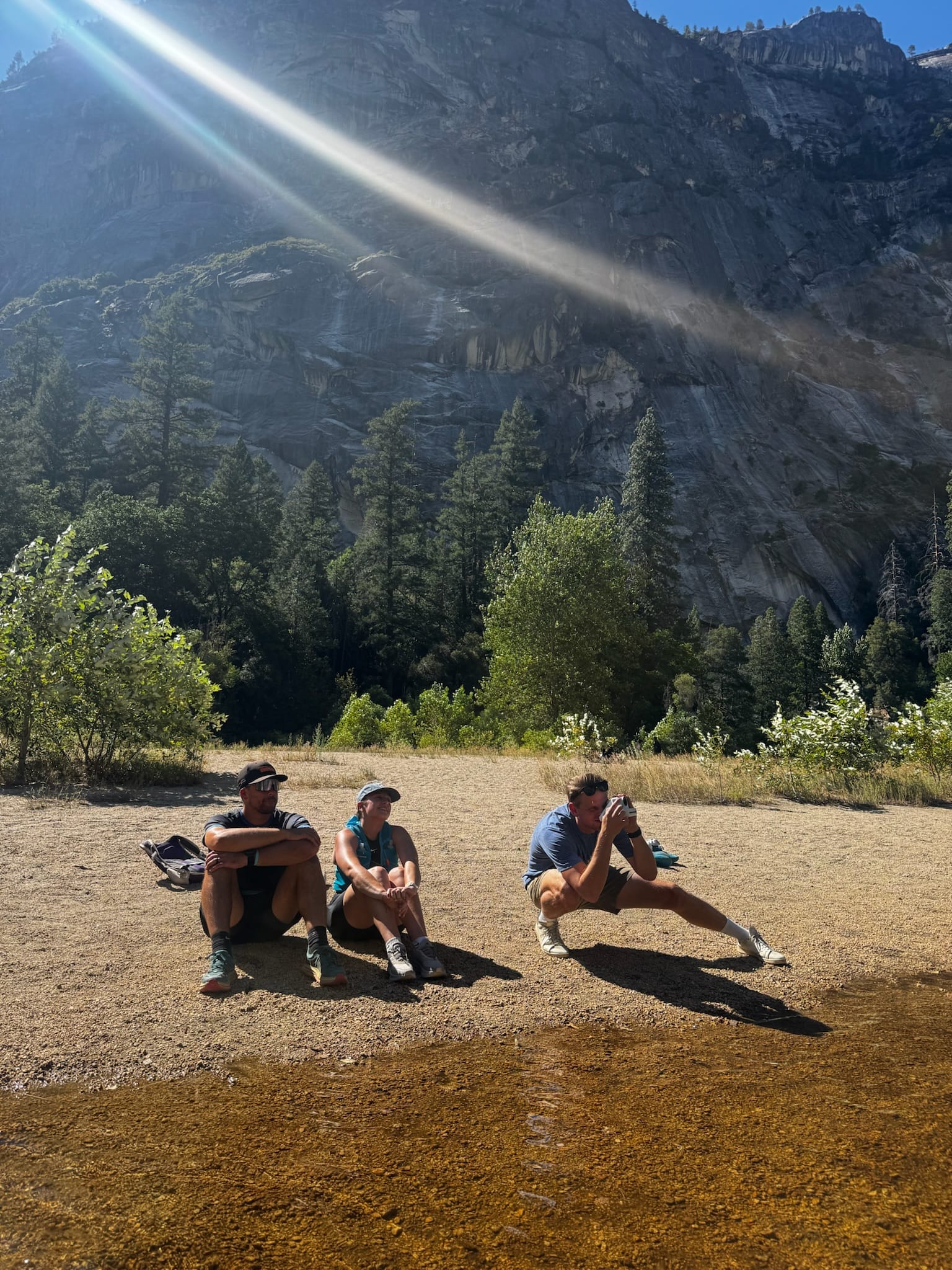
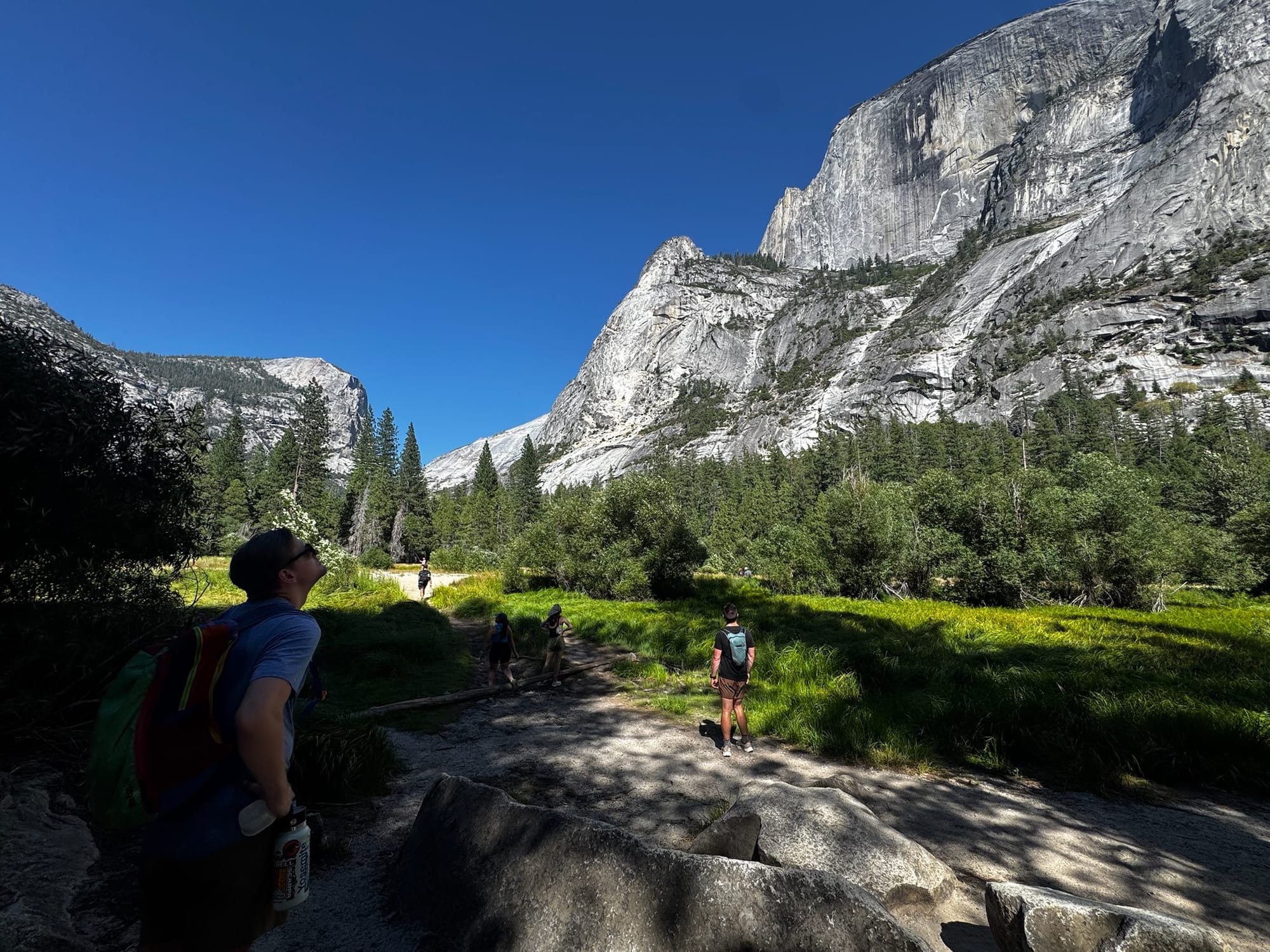
Other types of love are more common, but no less sacred. As we hiked the surrounding landscape of Yosemite Valley and absorbed some of the greatest scenery in the United States, I thought a lot about the love of friends. Hiking nearly 4,000 vertical feet to swim in the pools of Yosemite Falls before the cool water takes its journey down thousands of feet of dark grey granite was one of the best experiences of my life. Yet somehow, had my best friends not been there with me, it would have felt like just another hike.

Friendship is one of the greatest gifts of life, evident across cultures. Each friendship is unique, yet somehow universal. Different friends within a group will have separate histories, and yet, this can create group cohesion like nothing else can. Similar to exercise, being with your friends will make you feel better, even if it takes some effort to get together. You likely already know this from experience. What you might not know is that having meaningful friendships may also make you live longer. Despite this, many people find it difficult to spend time with friends given life's many priorities.
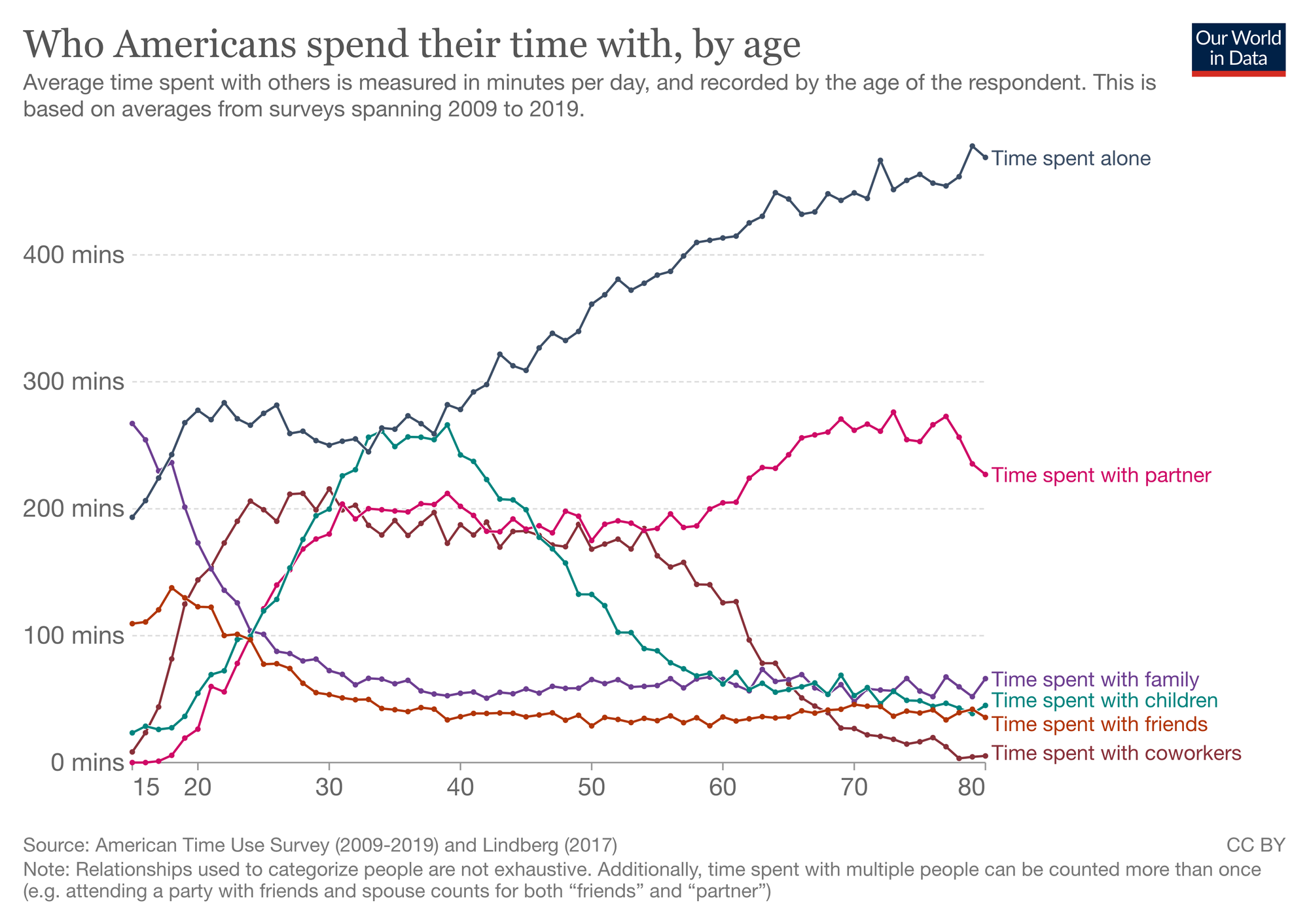
Spending time with friends peaks in high school and is generally maintained through college. However, you'll typically spend less time with friends as you get older. You'll have children to support, work to do, and bills to pay. From 40 to 7o years old, time with friends stays pretty consistent, but significantly less than time with coworkers. When you retire, you'll get to spend more time with friends, but what you can physically do together might look a lot different. There are not many 75-year-olds hiking thousands of vertical feet to get a better look at El Capitan or Half Dome.
I'm going to showcase just how important your friendships really are, not only for your mental health, but also for your longevity. The more we can displace the "time spent alone curve" with the "time spent with friends curve" in the graph above, the better your life will be.
A 2010 meta-analysis by Holt-Lunstad et al. found that across 148 studies (308,849 participants), there was a 50% increased likelihood of overall survival for participants with stronger social relationships over a 7.5-year period. The increased survival association was strongest for complex measures of social integration (OR = 1.91; 95% CI 1.63 to 2.23). In other words, for any 7.5 year period of life, those with close friendships are most likely to survive.
Clearly, social relationships (or lack thereof) are an important predictor of mortality. Just like refusing to exercise, lacking meaningful friendships will most likely lead you toward a shorter life with less happiness. It can be hard to make friends, especially as adults. The time required to retain friendships might feel taxing on a busy life with family, work, and bills, but I promise you it is worth it. Not only might you intuitively feel the truth in that, but the available data supports the same conclusion. Friendships lead to longer, happier lives.
Other studies of Blue Zones, specific regions of the world where people live longer and healthier lives than average, featuring high numbers of centenarians, have shown similar results. Being part of a close social circle or community is incredibly important to your longevity.
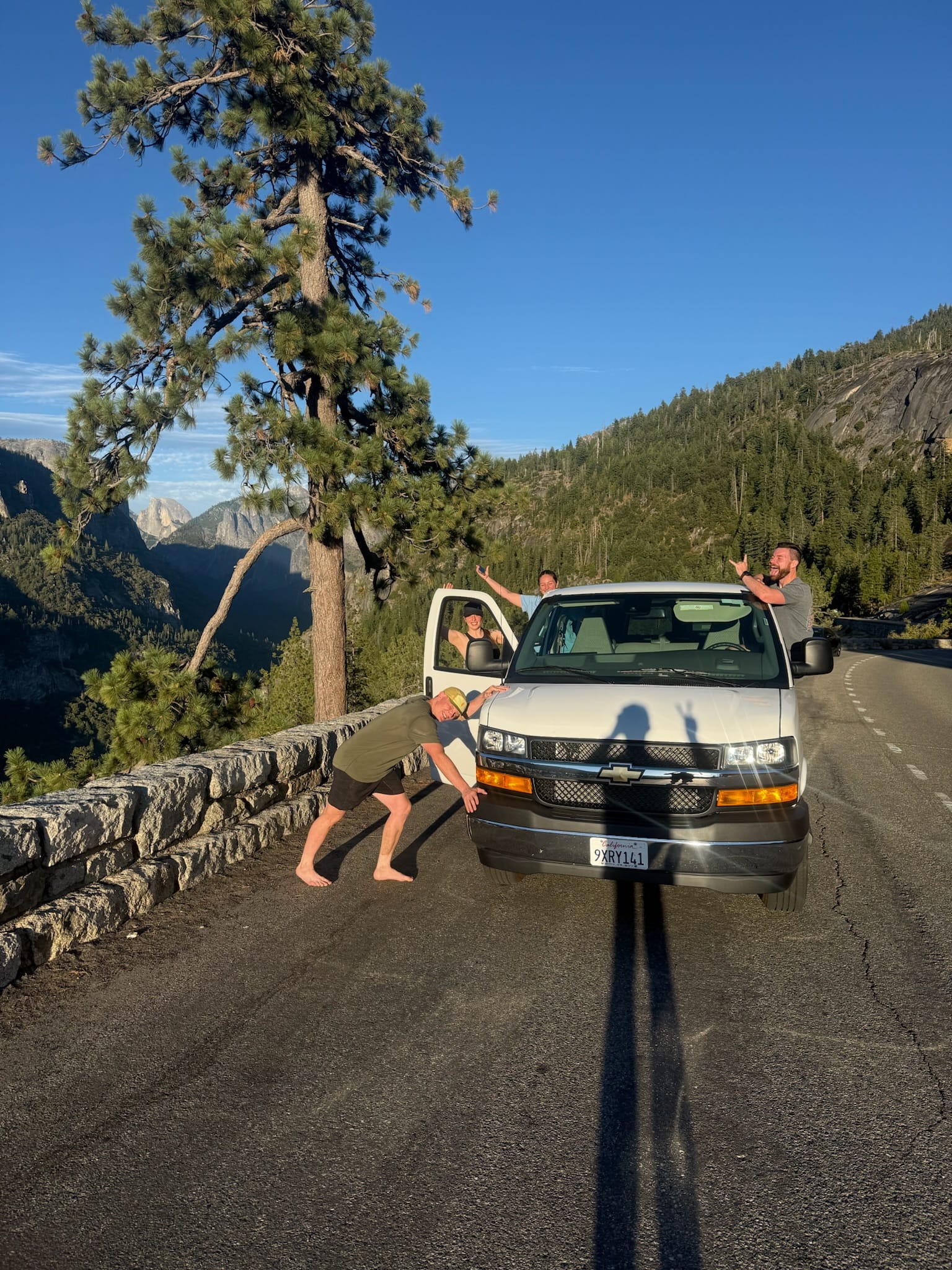
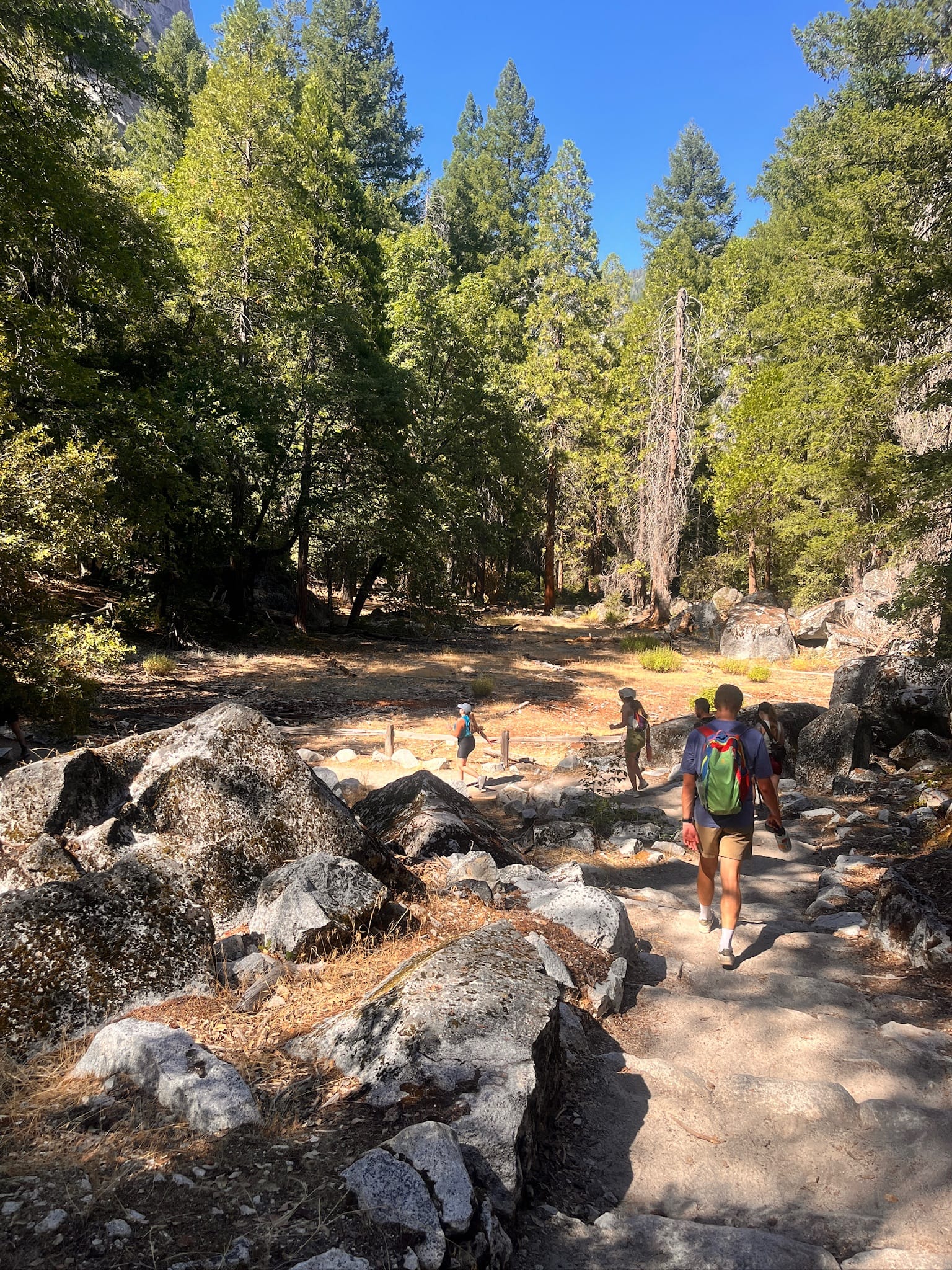
If you've ever spent a great day with friends, you'll know how it makes you feel. You suddenly feel energized, laughing at the dumbest inside jokes, and the stress of life melts away. Your ability to have fun and enjoy things is actually enhanced when you're with your friends. Your stress depreciates and you can effectively relax. You literally see the world differently, and it's really an incredible thing. The mechanism behind this involves brain chemistry. Positive social interactions cause the release of β-endorphins, which activate μ-opioid receptors in your brain, creating feelings of warmth and relaxation.
During these times, you may even feel your self-worth growing. Who cares what other people think when you have a close group of friends that care about you?Your ideas and thoughts become more important because you're surrounded by people who want to hear them. If someone wrongs you, there is now a group of people that have your back. You have good reason to walk more confidently, chest high, knowing that you're not alone. More than that, you have the love and support of other humans, genuinely holding in your grasp some of the greatest gifts that any person can bestow on another.
This leads to a more rich life because with confidence and support comes risk taking. It's nearly impossible to take smart risks when you have no support system. Friends become the net below you when you take your most ambitious leaps. Not only will they catch you if you fall, but you'll spring back to even greater heights for your next jump. Friends literally make you more resilient, and there are few weapons better suited to combat depression, anxiety, and self-loathing than a close knit friend group. They also defend against narcissism and cruelty, because a really good friend will keep you honest. There are no better people to provide feedback and keep you in line than your friends because they'll do it out of love and respect rather than jealousy or sabotage.
Similarly, friends help keep your mind sharp. With diverse backgrounds and experiences, along with the willingness to share your thoughts with the people you love, comes discourse and deep thinking. Ideas are challenged, ideals philosophized, and problems solved. You'll suddenly find yourself contemplating different religions, learning about the life of Andrew Jackson, and finally knowing whether it's a Bernese or Burmese python. So be thankful for your friends. They actually keep you younger and smarter.
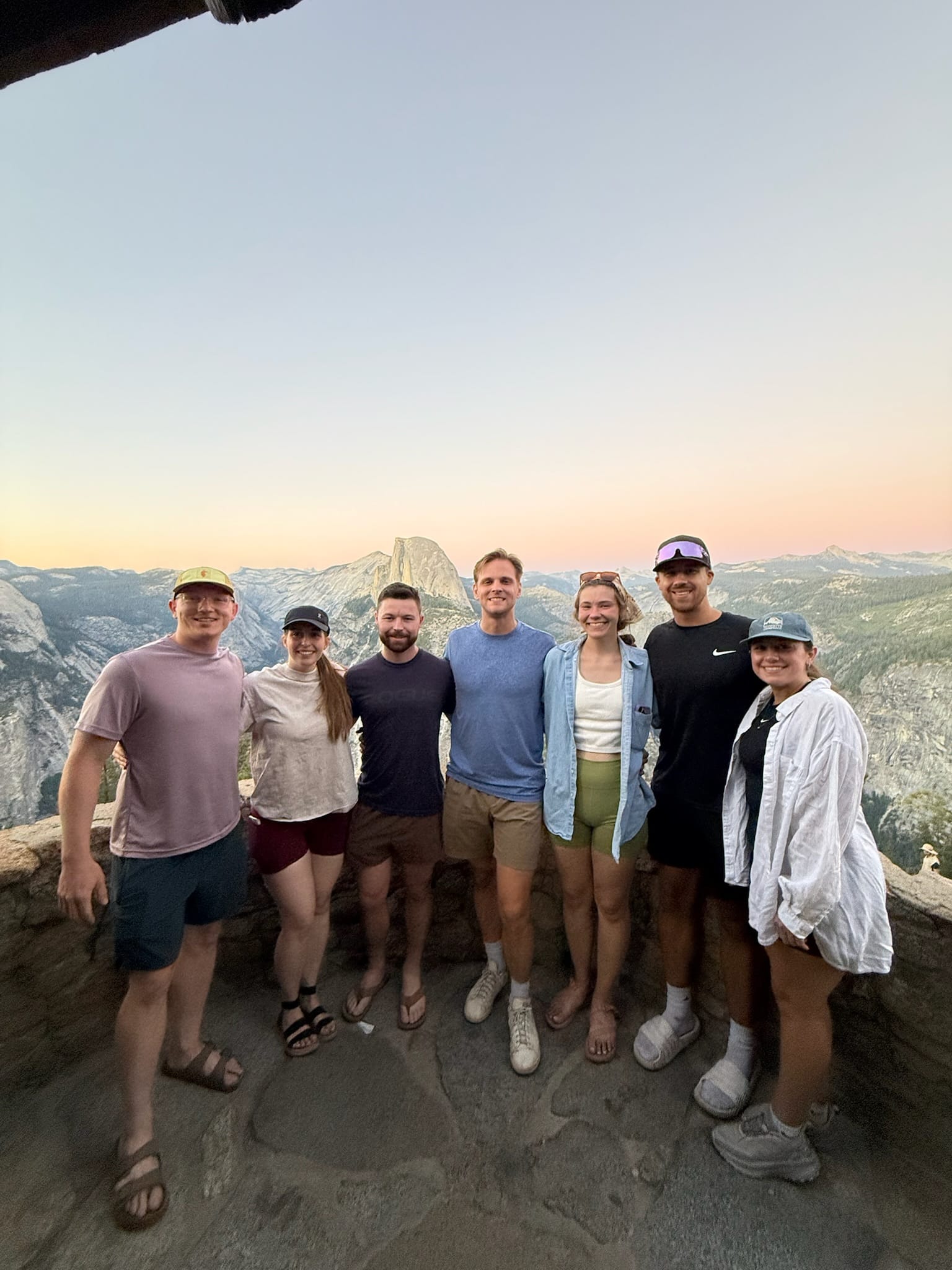
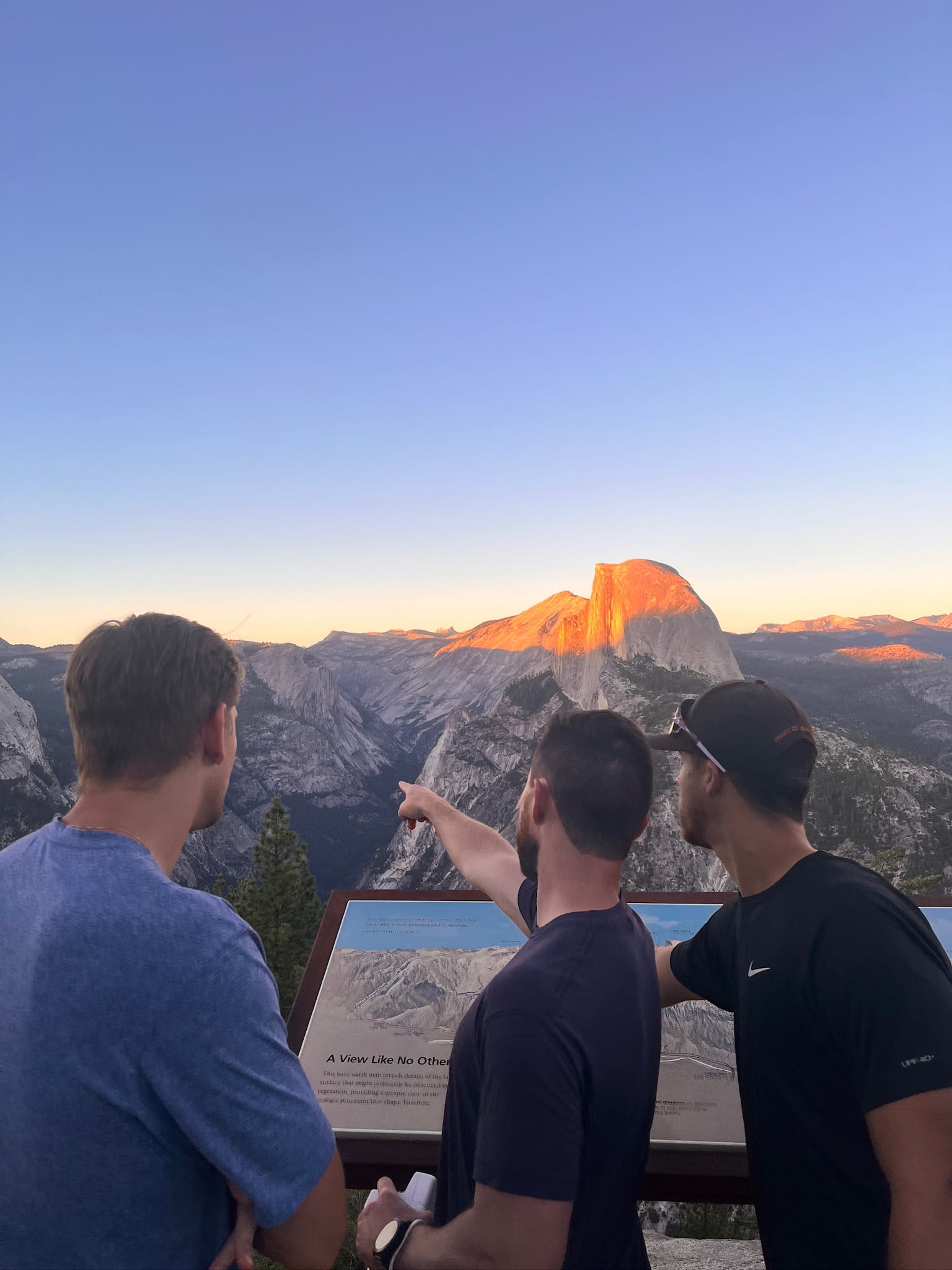
On July 28th, 2026, I stood at the apex of Glacier Point with 6 incredible humans. I am very lucky to call them my friends. We joined each other in a group hug, sun setting, light breeze on our backs, feet anchored to solid stone. In that moment, I felt lighter than a feather, yet stronger than the rock below me. These people made me feel unshakable, gentle, ambitious, and understanding. They made me feel human. They made me feel loved. I can only hope they felt the same. That is friendship. That is the kind of love that makes you live a longer, healthier, and more interesting life. If you have those friends too, cherish and nurture those relationships. They may just make your life worth living.