Pharmacy Researcher/Scientist: A Day in the Life
Learn how PharmD/PhD researcher Dr. Marta Zurawska uses mass spectrometry to advance drug safety and innovation in industry.

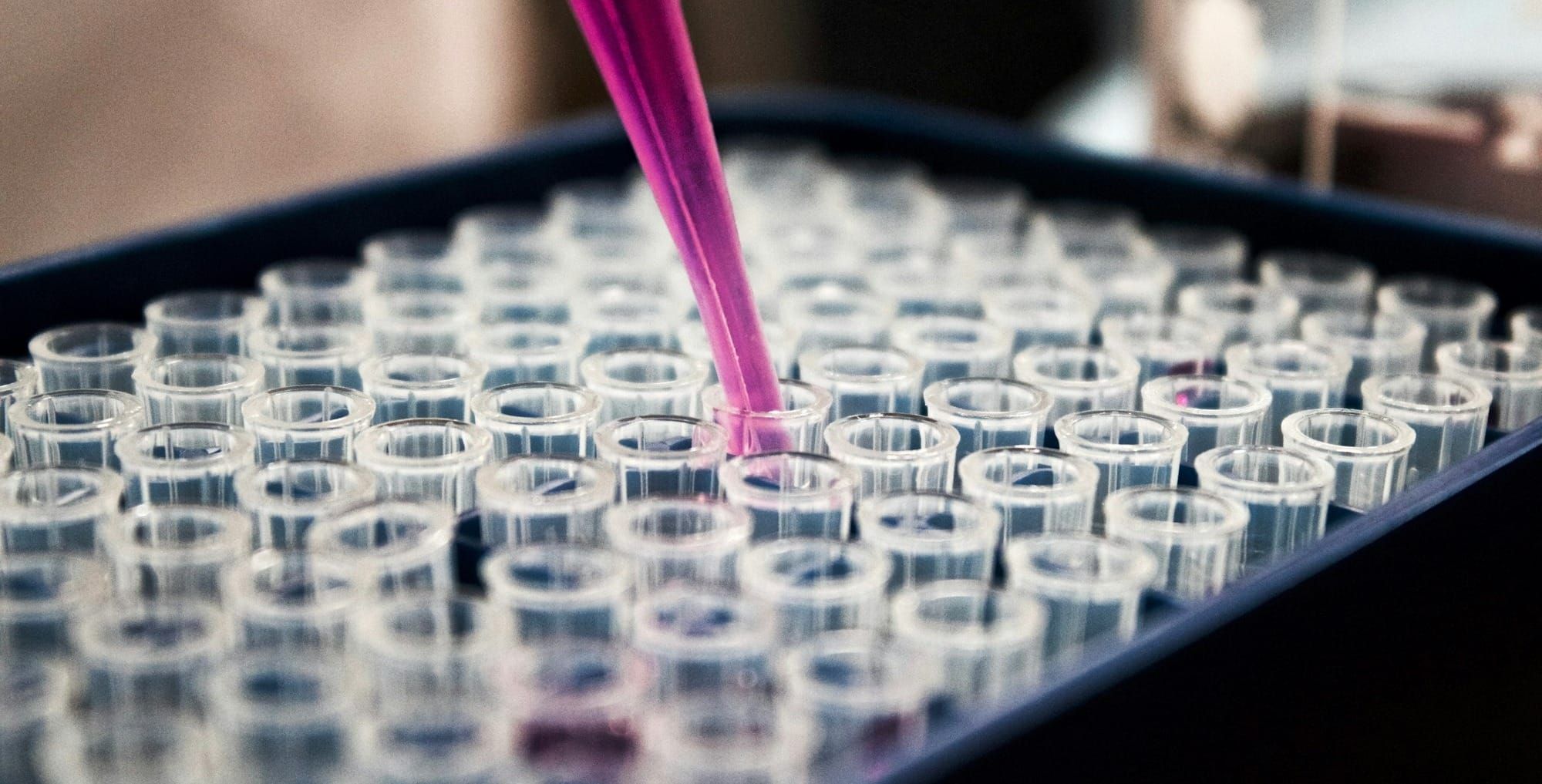
Author: Marta Zurawska, PhD, PharmD
With so many career options available to pharmacists after graduation, the "Day in the Life" series is meant to provide you with insights into what it's like to be a pharmacist in various areas so that you can pursue what's right for you!
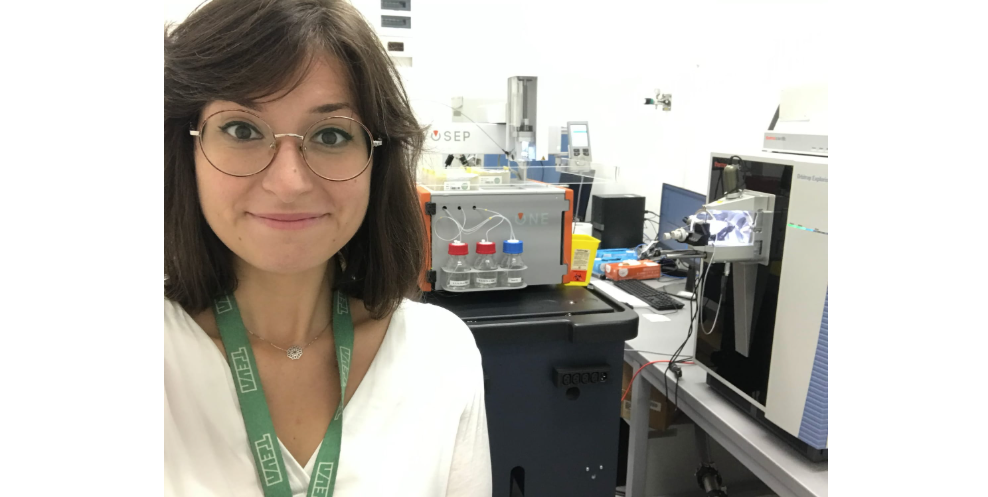
Tell us a bit about yourself and your background (school, training, first job, where you are now, etc…)
My name is Marta, and I hold both a PharmD and a PhD. I was born in Poland, and shortly after my parents moved to Italy, where I grew up and completed my PharmD. It was a five‑year program, and during my final year I had my first real research experience — and it was a revelation. I loved the lab routine, the hands‑on work, and even the troubleshooting when experiments went wrong. I knew immediately that this was the path I wanted to follow. My first project focused on mitochondrial carriers and protein expression, which also gave me my first close exposure to proteomics and analytical techniques. After earning my license, I decided to pursue a PhD in mass‑spectrometry‑based proteomics for breast cancer biomarker discovery. The analytical chemistry and mass spectrometry side of research became the driving force behind my career choices. At the end of my PhD, I moved to the United States, first as a Visiting Researcher at Washington University in St. Louis, and later for my Postdoctoral Fellowship at Midwestern University in Downers Grove, IL. I am currently a Senior Scientist in Extractables and Leachables R&D at Fresenius Kabi, where I serve as the subject matter expert for mass spectrometry methods.
What are some barriers to entry into research and/or industry? (do you need special training, certification, how many years to become a researcher/individual in your area of expertise, etc.)
My PhD was probably the most valuable training I received as a researcher. It was five years of intensive method development, literature review, meetings, and presentations where I was constantly challenged to find solutions to the issues that arose throughout my work. It taught me how to approach scientific questions with rational, structured thinking and how accurate data analysis can guide decisions and resolve dilemmas. A very important part of this process was the mentorship from my supervisor. He allowed me to explore different options and never micromanaged my work, which helped me become independent in my scientific choices and confident in my problem‑solving abilities.
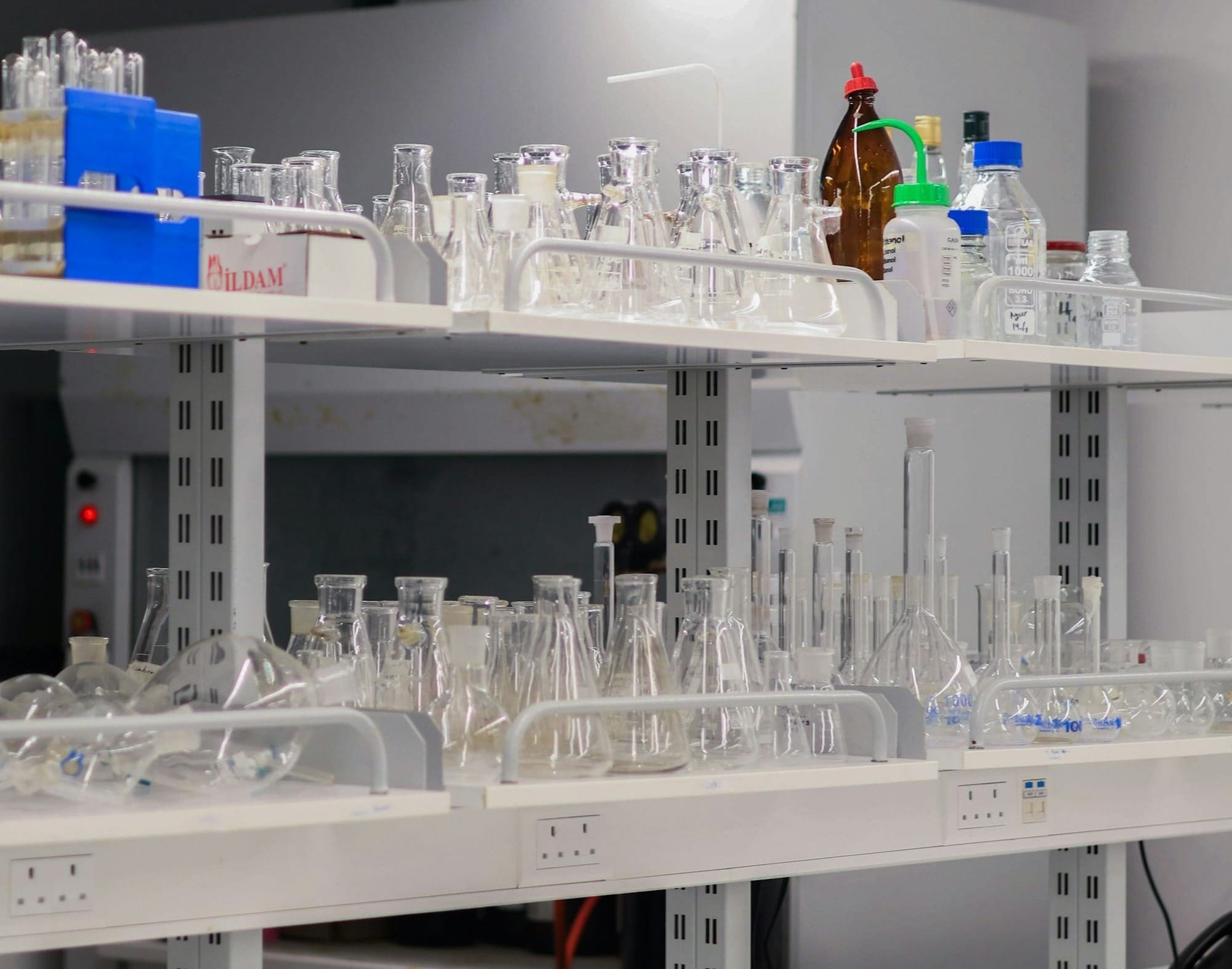
Question 3: How did you come to find research as your field of interest and/or passion?
For me, research became my field of interest very naturally. I’ve always been drawn to work that doesn’t follow a strict routine, and research is exactly that, it’s like solving a puzzle piece by piece. Every experiment teaches you something, and every unexpected result pushes you to think differently. Mass spectrometry, in particular, is what truly sparked my passion. It’s an incredible analytical technique with applications across so many fields. Coming from a pharmacy background, I immediately saw its relevance in drug testing, clinical analysis, and any situation where an analyte needs to be identified or quantified. Mass spectrometry is often the answer. The versatility of this technology and the endless opportunities to apply it in different areas made me realize that I would never be bored in this field. That combination, intellectual challenge, problem‑solving, and variety, is what made research, and especially analytical science, the right path for me.
Question 4: What are some of the challenges you face currently as a pharmacy researcher?
One challenge I sometimes face as a pharmacy‑trained researcher is that, compared to colleagues with a chemistry background, I occasionally need to train myself on guidelines or techniques that weren’t part of my pharmacy curriculum. However, once your mind is trained to learn new methods and solve problems, it becomes mostly a matter of patience and determination. This difference can also be a challenge during the job search, especially in analytical chemistry field and pharmaceutical industry, where competition is strong and candidates with a chemistry degree often have more years of hands‑on experience directly from their master’s programs. Still, I’ve found that my ability to learn quickly, adapt, and approach problems from a clinical and analytical perspective has helped me bridge those gaps effectively.
Question 5: What do you like the most about working in a research lab?
What I enjoy most about working in a research lab is the creativity it allows. There is a unique kind of freedom in being given a scientific question or a problem and having to find the most rational, well‑designed way to solve it. Every experiment requires a mix of logic, curiosity, and imagination. That creative problem‑solving aspect is what I love the most.

Question 6: What are your responsibilities/tasks during a typical workday?
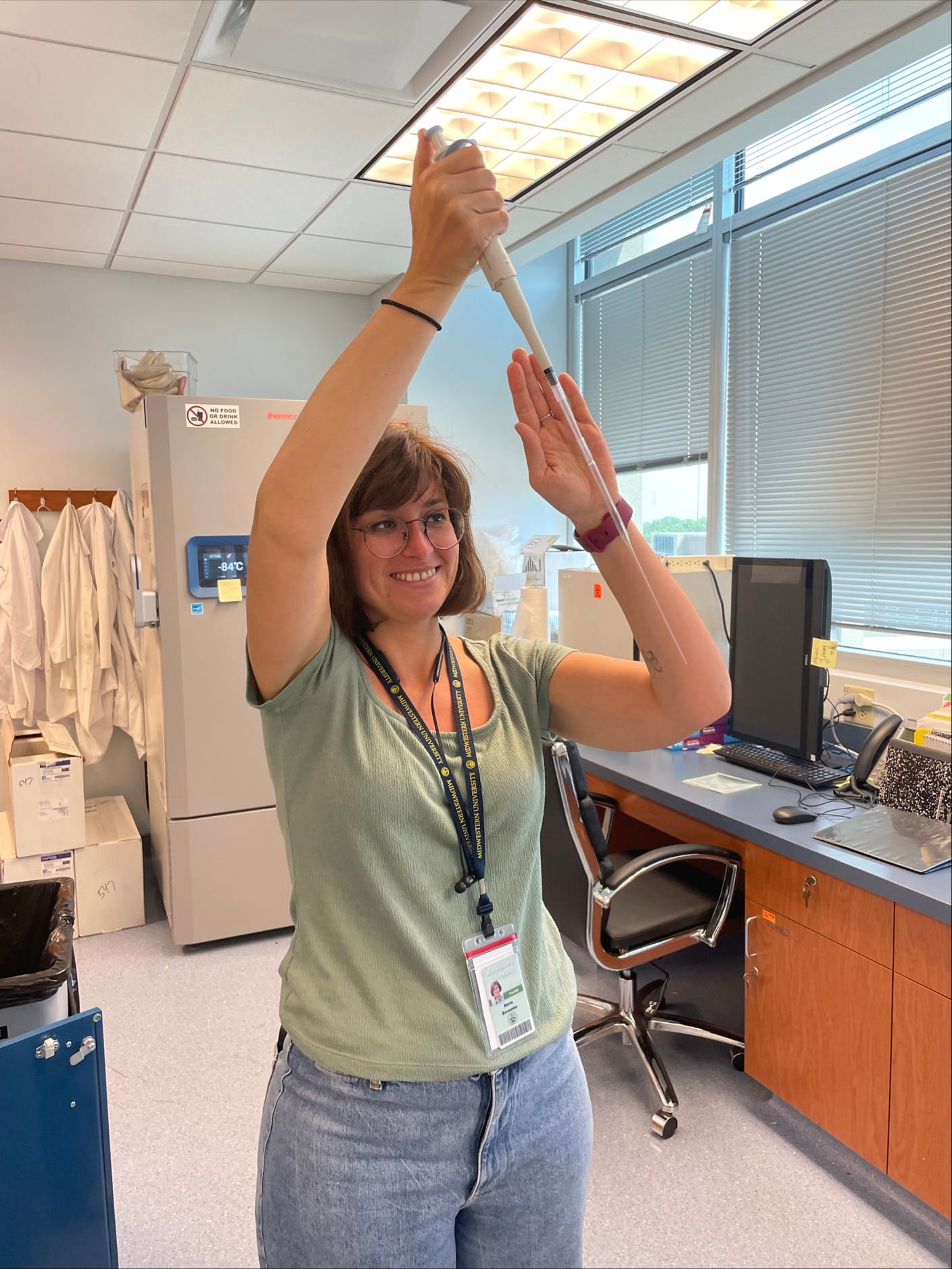
In my current position, my responsibilities focus on testing finished drug products in their intended container‑closure systems and developing analytical methods to detect chemical compounds that may leach from the container into the drug product over its shelf life. Once these compounds are identified, they must be evaluated from a toxicological perspective to determine whether they pose any safety risk to patients. In simple terms: give me a drug product in its container, and I can tell you not only what the drug and excipients are, but also which compounds form or migrate over time and how those changes may impact the product’s safety. Isn’t that fascinating?
Question 7: What are some of the most common questions you are asked on the job?
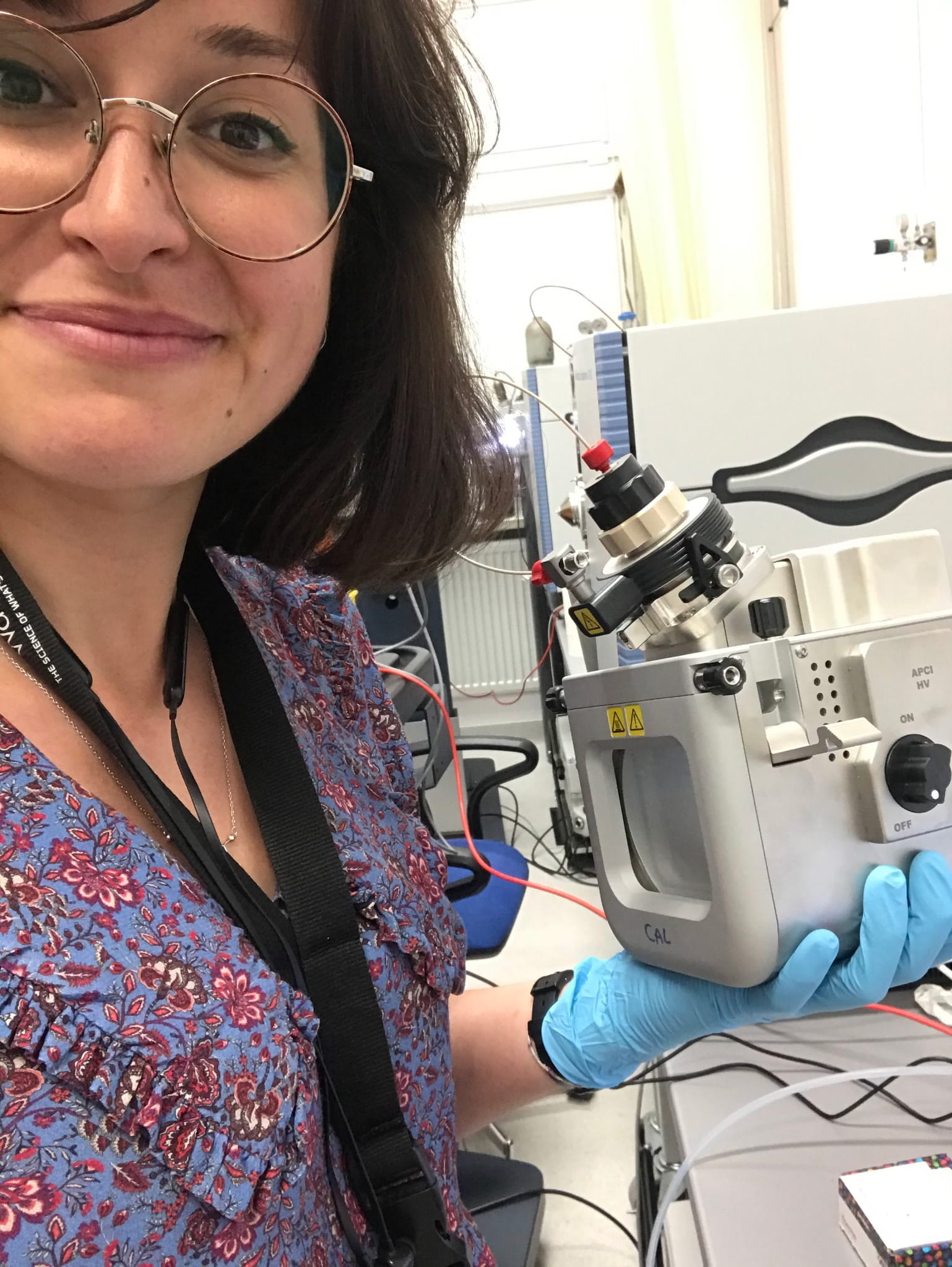
Some of the most common questions I’m asked are relate to chemical and structural identification of potential leachables. Often, colleagues want to understand how certain compounds correlate with the drug formulation or with the materials used in the container‑closure system. Another frequent question is how confident I am in the identification of specific compounds, especially when dealing with low‑level or borderline signals. I’m also regularly asked questions about the mass spectrometers themselves, from hardware issues to best practices for preventing system malfunction. Mass spectrometers are extremely sensitive instruments, and they can easily drift or fail if they’re not used and maintained properly, so troubleshooting and instrument guidance are a big part of my daily interactions.
Question 8: What is the biggest impact you think your job and work has?
The biggest impact of my work is ensuring the safety of drug products. My role is essential in making sure that patients are not exposed to harmful compounds that could leach from the container‑closure system into the medication. All of our data must comply with FDA guidelines, and every test we perform is closely evaluated during regulatory review. By developing highly sensitive methods, I’m able to detect even very low‑level compounds that might interact with the drug product over time. Identifying these substances early allows us to assess their toxicological risk and ensure that the final product remains safe throughout its shelf life. Being aware of how directly my work contributes to patient safety is what makes it meaningful.

Question 9: What are some of the most important things other areas, departments, healthcare professionals, or people should know about research?
Research is often the “engine in the background” that provides clinicians and other professionals with the tools they need to diagnose, treat, and care for patients. It’s just as essential as any clinical profession, even if it’s less visible. People should understand that strong research takes time, patience, and depth. Universities and research institutions often do exceptional work because they have the space to explore problems thoroughly and uncover insights that eventually translate into real‑world solutions. In short, research is foundational, it drives innovation, supports evidence‑based decisions, and ultimately improves patient outcomes, even if the work happens behind the scenes.
Question 10: What is the most memorable experience that you’ve had so far as a pharmacy researcher?
My most memorable experience as a pharmacy researcher was my PhD dissertation. It was incredibly rewarding to present my work and explain a five‑year project to a committee of professors and experts. For a researcher, there is no greater satisfaction than being asked in‑depth questions about your own work and being able to discuss the science you’ve dedicated years to.
Question 11: What advice do you have for students who may be looking into a career in research or industry?
Critical thinking is the most important skill. Always ask yourself questions, and don’t hesitate to ask your supervisor or colleagues as well. Everyone starts with a topic that sparks their curiosity during their pharmacy program, and if something truly interests you, try to find a lab working in that area. Don’t be afraid of the unknown, if you’re motivated, you can learn everything you need. Research rewards curiosity, persistence, and the willingness to explore new techniques. And if your long‑term goal is to work in industry, be patient. A researcher driven by motivation and passion will eventually find the right place to grow and make an impact.
Fun Question 1: You’re a new addition to the crayon box. What color would you be and why?
Yellow, because I naturally try to bring positivity and make people laugh, and I’ve always associated yellow with warmth, energy, and happiness.
Fun Question 2: If you could travel to anywhere in the world right now, where would it be and why?
Definitely Thailand or somewhere in that region, a tropical, warm place where I can enjoy beautiful weather, delicious food, and exotic scenery.
What pharmacy career path would you like to see next? Comment down below!
*Information presented on RxTeach does not represent the opinion of any specific company, organization, or team other than the authors themselves. No patient-provider relationship is created.